How Surgeons can Help you Navigate the Colorectal Cancer Maze | Dr Francis Seow Choen with Grace Gawler

Dr Francis Seow Choen is himself a medical miracle. As a 7 year old he recovered from major surgery for a cancer in his small intestine after facing a horrendous 6 months of radiation treatment and chemotherapy back in 1964 when treatments were harsh. He survived! Dr. Seow-Choen graduated from the National University of Singapore in 1981 & obtained his higher surgical qualifications in 1987. He sub-specialised in colorectal surgery in 1989 where he worked with the world-class surgeons of St Marks’ Hospital in London. He is a remarkable CR surgeon.

Part 2 – How Surgeons can Help you Navigate the Colorectal Cancer Maze

Dr Francis Seow Choen MBBS (Spore), FRCS (Edin), FAMS
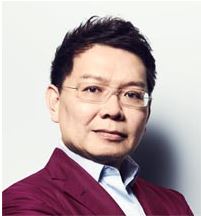
Dr Francis Seow Choen Fortis Surgical Hospital Singapore

Dr Francis Seow Choen is himself a medical miracle. As a 7 year old he recovered from major surgery for a cancer in his small intestine after facing a horrendous 6 months of radiation treatment and chemotherapy back in 1964 when treatments were harsh. He survived! Interview CLICK HERE

Dr. Seow-Choen graduated from the National University of Singapore in 1981 & obtained his higher surgical qualifications in 1987. He sub-specialised in colorectal surgery in 1989 where he worked with the world-class surgeons of St Marks’ Hospital in London. He is a remarkable CR surgeon.

I have interviewed Dr Francis Seow Choen previously on my internet radio show Navigating the Cancer Maze at Voice America. This time however, we touch on more details about the surgical techniques available for anyone dealing with colorectal cancer today.

As well, speaking as CR surgeon and recovered patient; he had a powerful message to cancer patients. Listen to this short excerpt from his interview: Select the icon below right to hear Dr Seow Choen’s message.

A personal message to cancer patients from Dr Francis Seow Choen

I have tremendous respect for the art and science of surgery. My own introduction to surgery came when I was 15 years of age. I began working in a veterinary clinic after school, then during holidays and for while as permanent staff. I was fortunate that the owner took me on as an apprentice as he knew my passion was to become a veterinarian. So, not only did I learn “hands-on” labrador retriever at the vetsurgery at an early age – I also was involved in co-performing post postmortems on animals which has served as a treasured learning field for understanding anatomy, physiology and pathology – many older dogs and cats who succumbed to an advanced and previously undiagnosed cancer that became a postmortem exercise; allowed me to see a wide range of cancers in vivo.

On the other hand, I was also impressed in how quickly animals responded to surgery for cancer and that for a high percentage of our animal clients – of those  caught early in diagnosis; few had a recurrence. There were also cases where enormous tumour loads were surgically removed, and the dog lived a long life afterwards! It was here that I developed a tremendous respect for surgical skills and the associated healing potential and regenerative powers that along with our animal friends, we all possess. However, surgery has come a long way since those days when robotic surgery entered the arena a few years ago.

You will find today’s interview with Dr Seow Choen informative, especially regarding the techniques using the new DaVinci Robotic surgery technology. You can read more about this technique as well as listening to the interview with Dr Seow Choen at: http://www.voiceamerica.com/episode/80875/how-surgeons-can-help-you-navigate-the-colorectal-cancer-maze-part-2
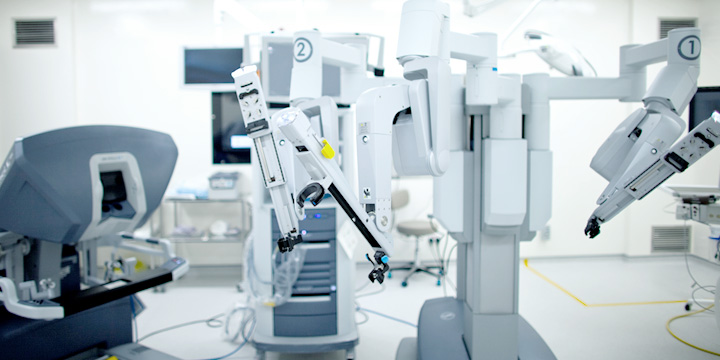
Singapore Fortis surgical Hospital da-Vinci-Robotic-Surgery equipment


Dr. Seow-Choen helped establish the first colorectal surgery department in Asia at Singapore General Hospital (SGH) and is considered a leader in the development in CR surgery and approaches to treatment.

In this interview with Dr Seow Choen he also comments on diet and nutrition for cancer patients from the viewpoint of an experienced CR surgeon.

You may be surprised what he says……

 In the last segment of today’s show, I provide an overview on treatments available for CR cancer in 2014. A not to be missed show!

DaVinci robotic surgery technology

Resources:

Contact: www.fortissurgicalhospital.com to learn more…..

Or visit Dr Seow Choen’s website:

http://www.colorectalcentre.com/eng/index.html 

Don’t miss reading the informative medical media articles  at……….

http://www.colorectalcentre.com/eng/media_articles.html

If you missed last weeks interview with Dr Seow Choen’s colleague Dr Lim Jit Fong –

CLICK HERE TO LISTEN

Remember all interviews on Navigating the Cancer Maze are free to air (on live streaming and available from the archives anytime) and can be downloaded for free on itunes.

The show is not copyright and is available to distribute in the interest of cancer education and public awareness.

The show is available globally and is sponsored by donations to the Grace Gawler Institute a registered NFP Health Promotion Charity with DGR status based in Australia with a global outreach.

Tips on How to Navigate the Carers Maze – Grace Gawler interviews Ellen Slater- Carers Qld.

Having been a sole care-giver at the age of 21 when my then boyfriend and later husband was suddenly diagnosed with osteogenic sarcoma (bone cancer) I had an abrupt introduction into the world of the caregiver. When he underwent surgery for a full leg amputation – life became even more challenging. Carers are the backbone of most societies. Their task is often unnoticed and even unappreciated. Ellen Slater aims to change that – in fcat she has made it her life mission to provide care and teach self – care to caregivers.

Tips on How to Navigate the Carers MazeGrace Gawler interviews Ellen Slater- Carers Qld.

Having been a sole care-giver at the age of 21 when my then boyfriend and later husband was suddenly diagnosed with osteogenic sarcoma (bone cancer) I had an abrupt introduction into the world of the caregiver. When he underwent surgery for a full leg amputation – life became even more challenging. Carers are the backbone of most societies. Their task is often unnoticed and even unappreciated. Ellen Slater aims to change that – in fcat she has made it her life mission to provide care  and teach self – care to caregivers.

Ellen Slater has had a life-time of personal care-giving & then chose a vocation in care-giving as well as a career as a family therapist and counselor.

Ellen Slater Carers Qld

 For 6 years Ellen has been Manager for Counseling, Family Support and Advocacy programs with Carers Queensland. Carers Australia is the peak body for carers. Carers Queensland is responsible for a National Carers Counseling Program (NCCP) which, Ellen has been privileged to manage. In Queensland the organization has 13 professional counseling staff, where they offer face to face counseling, telephone counseling & home visits. This is a state wide program. Ellen has recently resigned from her position at Carers Qld to follow her heart and passion into her next venture and adventure; Joyland Carers Retreat near Korora beach, Coffs Harbour in Northern NSW. www.joylandcarersretreat.com.au More about Ellen Slater on the Guest page.
CONTACT CARER’S QLD:  www.carersqld.asn.au


Listen to the audio interview – download on itunes for free and live streaming anytime.

http://www.voiceamerica.com/episode/80607/how-to-navigate-the-carers-maze-grace-gawler-and-ellen-slater

About Ellen:
Ellen Slater Ellen has been a carer for most of her childhood, adolescence and adulthood. She has a Masters of Counseling & has completed clinical courses in Family Therapy and supervision, a Diploma of Ministry, a Bachelor of Counseling, & has now been accepted as a candidate for a PhD. She is a recipient of the “Golden Key”, University of New England-Armidale. Whilst studying and also caring for her late husband, she ran a successful private practice & support groups from home.

 Joyland Carers Retreat Coffs Harbour
Near Joyland Carers Retreat Coffs Harbour

She became Senior Counselor & Manager for Counseling & Advocacy-Carers Qld.

As a carer she was exhausted, isolated, angry; then later guilty & emotionally burnt out.

She dreamed of having a break & being alone for a while to find her-self. She was aware of others in similar situations; carers who needed respite & nurturing to regain their strength and courage to carry on.

Joyland Carer’s Retreat will open in Jan 2015; a self funded initiative that is now almost a reality www.joylandcarersretreat.com.au

Resources:Australia:

  1.  www.joylandcarersretreat.com.au
  2. http://www.carersaustralia.com.au/
  3. http://www.carersaustralia.com.au/about-carers/young-carers2/

USA:

  1. http://www.caregiver.com/
  2. http://www.helpguide.org/elder/caring_for_caregivers.htm
  3. https://www.caregiver.org/
  4. http://www.caregiveraction.org/

CLICK HERE  – TO LISTEN TO THE INTERVIEW WITH ELLEN SLATER

Attention caregivers: Making use of helpful services – USA RESOURCES CONTINUED.

CLICK HERE TO PURCHASE HARVARD’S CAREGIVERS HANDBOOK

Being a caregiver for an ailing parent, spouse, child, or other loved one can feel like a lonely undertaking. But it doesn’t have to be, even if you don’t have family nearby to pitch in. Help for caregivers is available from various organizations. Once you learn what’s available, it may be easier to chart a less-demanding course toward meeting the needs of your spouse, relative, or friend.
Get your copy of Caregiver’s Handbook

Close to 49 million informal or family caregivers offer assistance of all sorts to adults in America. Their efforts are vital to the lives of people struggling with illness, disability, or the changes that often accompany aging. This report will assist you in meeting the needs of the person you care for while attending to your own. It includes financial, legal, and medical information that’s vital to caregivers, as well as a special section devoted to caring for yourself as you navigate caregiving challenges.

Here are some types of services and professionals you might want to investigate.
• Adult day services. These programs offer comprehensive packages of assistance, though what’s in the package varies from place to place. Services may include transportation, nursing care, meals, personal care (such as help with bathing or toilet use), social opportunities, or rehabilitative activities. Such facilities are immensely helpful if your loved one needs supervision or assistance with daily activities, health care, or social support for physical or cognitive impairments. Typically, adult day services are open during normal business hours. Some offer evening and weekend hours.
• Certified nurse’s aides. These trained aides can help with activities of daily living, such as bathing, dressing, and personal care. Keep in mind that they are not nurses, and so can’t administer medications.
• Hired companions and homemakers. You may want to hire someone to help with meals, shopping, and laundry; supervise activity; and provide companionship and transportation. Some people may also be willing to help with personal care. An informal arrangement—such as a college student who lives in a home and provides help in exchange for rent—can work well.
• Home health aides. These aides perform personal services such as bathing and dressing, and may do light housekeeping.
• Meal programs. Hot, nutritious meals may be available through programs like the Meals on Wheels Association of America (703-548-5558, or www.mowaa.org) or the federally funded Eating Together Program, which offers lunch and companionship at community centers. Senior centers, community groups, or religious organizations may have similar services.
• Case managers. Some hospitals and health insurance plans assign case managers to oversee and coordinate health care. Case managers are often registered nurses or social workers. They help coordinate services, keep tabs on a patient’s progress, and communicate with the patient, caregiver, family, clinicians, and key departments, such as billing.
• Nurses. Nurses offer skilled nursing care, such as inserting intravenous lines, cleaning wounds, and changing bandages. They can also administer medications.
• Physical, occupational, or speech therapists. These trained professionals may do in-home therapy sessions.
• Respite care workers. Respite care workers provide caregivers with time off from their caregiving duties.

• Transportation services. Some communities offer free or low-cost transportation to medical appointments for seniors or people who are disabled. Other potential sources of free or low-cost transportation help are religious and community organizations, such as churches or synagogues, councils on aging, and senior centers.
The United Way (www.unitedway.org) and other national organizations may be able to refer you to services in your community, useful information, and assistance. For example, the Alzheimer’s Association (www.alz.org) offers a 24-hour help line (800-272-3900) and support groups throughout the country. Some of its chapters also offer training programs, assistance with coordinating care, and other services.
Another good resource is a website sponsored by the National Health Information Center: www.healthfinder.gov. It can help you locate resources in your area. A local agency on aging, geriatric care manager, hospital case manager, or social worker can also advise you about local services and may be able to suggest ways to cover the costs.
For more on developing plans and effective strategies for the hard work of caregiving, buy Caregiver’s Handbook, a Special Health Report from Harvard Medical School.

Buy must have Jewellery online at amazing prices: 1000 MONKEYS MUST HAVE JEWELLERY

How to Safely Integrate Botanical Medicine into a Cancer Treatment & Prevention Program with Grace Gawler

Have you noticed how in recent times, ordinary foods have been re-invented and labelled as awesome super-foods. The awesome super-food brings with it a promise of health, vitality, longevity and prevention of every illness under the sun – especially cancer. And….it’s all natural! Well is it? First of all, vegetables and fruits we eat today are different from the foods our ancestors were eating.

Have you noticed how in recent times, ordinary foods have been re-invented and labelled as awesome super-foods. The awesome super-food brings with it a promise of health, vitality, longevity and  prevention of every illness under the sun – especially cancer. And….it’s all natural! Well is it? First of all, vegetables and fruits we eat today are different from the foods our ancestors were eating. They have been altered in their genetic material since the late 1800’s. Scientists and farmers have been genetically modifying food crops  through a process known as hybridization or selective plant breeding for a long time. This was the pre-biotechnology method of introducing genetic materials from one individual plant to another. The humble carrot was manipulated long before that!

carrots superfoodsA knowledge of history often helps to put things into perspective. Did you know that the Carrot we know of today was already tampered with in the 1700’s. They were bred orange in The Netherlands during the 17th century from the older white and purple stock (that are now back in fashion as “heritage” varieties) to show support for the Orange-Nassau dynasty. So provocative were orange carrots seen to be in the early modern period that, at various points, they were banned from sale in Dutch markets as the fortunes of the dynasty waxed and waned politically! Even in the the 1700’s vegetables were used to promote a cause! ( source The Conversation)

But – back to the 21st Century. In today’s hype for health there is one thing missing  in many of the self stylized Health Gurus – knowledge!

Food science is fascinating and complex and as technology increases- our understanding and knowledge builds.

Unfortunately promoters of the current “healing super-foods” are not  qualified in the science; nor are they qualified in botanical medicine. On today’s Navigating the Cancer Maze , I look at just one of the super-food groups – Cruciferous vegetables.  The phyto-chemicals contained in cruciferous vegetables, as well as macro and micro-nutrient content have caused a stir in cancer circles.

Based on my more than 3 decades of experience, research & qualifications with plant medicines & nutrition to help cancer patients; I would like to share with you some critical aspects for any cancer patient to know when using plant based medicines or super-foods for health; both during treatment and outside of treatment. Click here to listen to audio streaming Voice America

Many studies have highlighted reduction of cancer risk Health intelligence australiaby consuming macro-nutrients-carbs, proteins, fats, fibre and proteins. There are also specific nutrients contained in foods called micro-nutrients-what we know as vitamins, minerals & trace elements. However, plants contain many chemical substances other than micro-nutrients that may help prevent cancer; some are effective adjuncts in treating cancer- these are called phyto-chemicals.

There is a saying – “It’s not what you eat – but what you do with what you eat”. Almost every patient who visits my practice has already made lifestyle and dietary changes according to what they have read on Dr Google or in books obtained through Dr Google. Some have sought naturopathic advice. Most finish up on vegan diets with copious juices whilst taking plant nutrients in capsules or powders by the bucket load. This is not natural!  A few more helpful sayings: ” Less is more” and….. there is no one size fits all in healing- we are all different.”

One of the biggest digestive enemies of the cancer patient are the foods that do not breakdown well and create excess gas & pain and….often these foods don’t absorb well. You can be taking in lots of nutrient dense foods and supplements – but be malnourished. I see this in my practice constantly.  Excessive gas and inflammation from ingesting large quantities of raw greens along with a compromised digestive system can lead to many more health issues. Remember Cancer is disease that begins with inflammation that becomes chronic. Ideally we want to make life easier for our digestive systems – not more difficult.   I highly recommend you visit the following website:  http://www.puristat.com/bloating/anti-flatulence-diet-plan.aspx

Did you know that by overdoing ingestion of the cruciferious family by taking excessive green powders and juicing raw vegetables that absorb better if cooked – can lead to genotoxicity?  This is the term which describes the property of chemical agents that damage genetic information within a cell causing mutations, which may lead to cancer. Excess raw greens can also affect thyroid hormones and create Goiter. The principle applies  – Less is more!

So often in my practice I find that by changing the “healthy regimens” that patients are taking in order to recover, and replacing it with a well structured, personalized dietary regimen with steamed and cooked foods;  that bloating, due to excessive gas and inflammation, decreases or disappears. As does the debilitating pain that accompanies foods that don’t suit our metabolism. Patients with gastro- intestinal cancers can therefore reduce pain medication due to a sensible dietary change.

Another excellent resource for learning about Gut issues is the following website:  http://www.gutsense.org/

In tomorrow’s blog more resources and information about cruciferous vegetables and nutrition for cancer patients. See you then …
Grace

Introducing Health Intelligence Australia-A new Model of Healthcare Grace Gawler and Dr Bruce Whelan

On this week’s Navigating the Cancer Maze on Voice America radio, I presented an encore broadcast of a special interview with my colleague GP Dr Bruce Whelan: “Spinning Gold from Straw: How trauma transformed a Doctor’s Life and Practice”. This year, Dr Whelan and I have forged a very special medical partnership to help patients Navigate the Cancer Maze – Health Intelligence Australia.

On this week’s Navigating the Cancer Maze  on Voice America radio, I presented an encore broadcast of a special interview with my colleague GP Dr Bruce Whelan: “Spinning Gold from Straw: How trauma transformed a Doctor’s Life and Practice”. This year, Dr Whelan and I have forged a very special medical partnership to help patients Navigate the Cancer Maze – Health Intelligence Australia.
Last week a patient asked me what makes Dr. Bruce Whelan unique in terms of the type of medicine he practises? The answer came Health intelligence australiaeasily. In the past 10 years Bruce has become involved with and specialized in management of addictions, mental health and severe and chronic pain as well as general medicine. These are also all important aspects of cancer management. They are the areas of medicine that tend to be under-serviced by GPs due to time constraints or lack of training. But there is more that makes Dr Bruce Whelan uniquely suited to the new Health Intelligence Australia group.
Another area of Dr Bruce Whelan’s expertise is in the area of trauma. He knows a lot about trauma at a very personal level because in 2002 he was summoned to Bali from Sri Lanka, where he was working.  He was given the unspeakably grim task of identifying bodies after the bombing at the Sari Club in Bali. His task was made even worse when he spent two days unsuccessfully trying to find and identify the body of his son-in-law Shane – killed in the bombing along with a partner of his daughter’s friend. As luck had it the girls were going to be late getting to the Sari Club that night. But lucky as they were to escape; the trauma of the incident lived on and shaped their future.
When Bruce graduated  from the University of Queensland in 1967, like many of us, he had no idea what life had in store for him. As a doctor, Bruce Whelan had already seen lot of suffering, but the post-traumatic stress affect that the Bali incident produced, had long lasting effects. The product of uninvited change!  Bruce fought a battle he could not win; to have bodies quickly identified, stored appropriately and repatriated to Australia.

Dr Bruce Whelan
Dr Bruce Whelan

This intensified the trauma, grief and loss experienced by many. However, being a resourceful doctor, eventually he was able to spin gold from straw as they say, and today, 14 years later; the experience brings with it a man who is the wounded healer who serves his patients with a rare quality of directness and authenticity. He is someone who deeply understands trauma and depression in another human being.

There is no substitute for this type of life experience. This type of experience can’t be learned in any university except in the university of life!
It is recognized by psycho-oncologists that a diagnosis of cancer is also a traumatic event and many patients experience PTSD (post traumatic stress disorder) that often remains undiagnosed and untreated throughout the course of the illness. Some patients have experienced trauma before diagnosis and it may not have been dealt with. Unrecognized trauma can play a complicated role in the ongoing management of illness. Major life traumas can  impact every treatment approach that a cancer patient will try during their recovery….. it can even affect patients who are survivors of the physical illness, but who did not have the opportunity to deal with the psychological impact of the illness at the time.  This often plays out as depression, memory loss or dissociative disorders.
To make an appointment for a consultation to see either myself or Dr Whelan, or for a team consultation,  please visit:
RESOURCES:   Check out the following resources to understand more about PTSD and the brain:The Biology of Trauma           http://www.natal.org.il/english/?CategoryID=232
Article Psychology Today:   The Anatomy of Post traumatic Stress Disorder
Listen to interviews with Dr Bruce Whelan on Voice America – at http://www.drbrucewhelan.com/about-dr-bruce/

Promising Results from World-First Brain Cancer Trials Professor Rajiv Khanna | Grace Gawler on Navigating The Cancer Maze

It is imperative that breakthroughs in cancer treatments are known to the world. Worldwide, there are an estimated 240,000 cases of brain and nervous system tumors diagnosed each year; GBM is the most common, and the most lethal of these tumors. People speak of the War on Cancer, but it is our bodies that are at war with cancer cells via our immune system and its responses. Utilizing the immune system principle, scientists at the QIMR Berghofer Medical Research Institute, Australia, have used immunotherapy to create a major breakthrough in the treatment of the brain cancer known as Glioblastoma Multiforme (GBM).

Free informational cancer seminars Brisbane June 15 – 21 2014 Brisbane.

Click the link below to see other events presented by QIMR – for immunology week June 15 – 21 2014 Brisbane.

How your body can fight cancer Seminars

cancer-lambert_2469736bPromising Results from World-First Brain Cancer Trials Professor Rajiv Khanna Joins Grace Gawler on Navigating The Cancer Maze To Talk about a Brain Cancer breakthrough.

Phoenix, AZ — 06/13/2014 — Voice America Talk Radio Network, Internet broadcasting pioneer, producing and syndicating online audio and video, today announced that Professor Rajiv Khanna QIMR Berghofer Medical Research Institute Australia will join Grace Gawler host of Navigating the Cancer Maze program on the VoiceAmerica Health and Wellness Channel (http://www.voiceamerica.com/show/2125/navigating-the-cancer-maze) Friday, June 13, 2014 at 12 noon Pacific Time.

NOTE: show goes live to air 5 am Brisbane Australia time Saturday 14 June 2014. Available streaming audio any time after 9 am this Saturday and available to download on itunes indefinitely.

It is imperative that breakthroughs in cancer treatments are known to the world. Worldwide, there are an estimated 240,000 cases of brain and nervous system tumors diagnosed each year; GBM is the most common, and the most lethal of these tumors. People speak of the War on Cancer, but it is our bodies that are at war with cancer cells via our immune system and its responses.  Utilizing the immune system principle, scientists at the QIMR Berghofer Medical Research Institute, Australia, have used immunotherapy to create a major breakthrough in the treatment of the brain cancer known as Glioblastoma Multiforme (GBM). Study leader, Professor Rajiv Khanna, said most of the study participants lived much longer than the six-month prognosis normally given to a patient with recurrent GBM, and some patients showed no signs of disease progression. “It is early days, but this is exciting,” Professor Khanna said.

“Survival rates for this aggressive cancer have barely changed in decades. There is an urgent clinical need for new treatments. “If this treatment can buy patients more time, then that is a big step forward.”

GBM
Image of Brain GBM

GBM is the most common malignant brain cancer, diagnosed in about 800 Australians every year.  Despite surgery, radiotherapy and chemotherapy, less than 10% of patients survive beyond five years. This study built on previous research which found that many brain tumours carry cytomegalovirus (CMV). About half of all Australians have the virus, but usually show no symptoms.

Professor Khanna developed a technique to modify the patients’ T-cells in the laboratory, effectively “train” them to attack the virus, and then return them to the patient’s body.  When the killer T-cells destroyed the virus, they also destroyed the cancer. “It’s becoming increasingly clear that immunotherapy – manipulating a person’s own immune system – is a rich new frontier for cancer treatment,” Professor Khanna said.

The QIMR is celebrating their research findings by hosting a series of immunology and cancer presentations between June 15 and June 21 in Brisbane. For those people who cannot attend, watch out on the websites for more information. www.qimrberghofer.edu.au   or  www.gracegawlermedia.com

The Phase I trials were conducted at Brisbane’s Wesley Hospital, under the leadership of neurosurgeon Professor David Walker.  “Working with patients with malignant brain tumors can be distressing, because we know so many will succumb,” Professor Walker said. “But this new branch of therapy lets us offer some hope that the future is going to be brighter, that new and innovative treatments mean things will hopefully improve in the future. “We have a long way to go, and there is hard work to be done, but we seem to be on the right track, and it is a pleasure to work with scientists at QIMR Berghofer to try to make a real difference.”

The research team is now keen to begin the next phase of trials, involving patients at an earlier stage of the cancer’s development. “These would be patients who have just been diagnosed and are about to start the standard treatments – surgery, then radiotherapy or chemotherapy.  We would generate the T cell therapy before their standard treatment, and then administer T cells in conjunction with the standard therapy,” Professor Khanna said.

“We hope that the treatment can be even more effective if given at an earlier stage of the disease.”

This study is published online in the prestigious US journal Cancer Research and can be viewed at http://cancerres.aacrjournals.org/content/early/recent

The research was funded by Flagship Funding from the Rio Tinto Ride to Conquer Cancer, the NHMRC and private donors.

The QIMR Berghofer Medical Research Institute is a world leading translational research institute focused on cancer, infectious diseases, mental health and a range of complex diseases. Working in close collaboration with clinicians and other research institutes, our aim is to improve health by developing new diagnostics, better treatments and prevention strategies.

For more information about QIMR Berghofer Visit: www.qimrberghofer.edu.au

Immunology and Cancer Survival | Navigating the Cancer Maze| Grace Gawler

QIMR Berghofer Medical Research Institute is hosting Immunotherapy week: Get updated about Immunotherapies. Next week QIMR presents a series of lectures about the latest developments in Cancer Immune therapies. QIMR’s Professor Khanna, has been researching immunotherapies and has had a major breakthrough in the treatment of the aggressive brain cancer Glioblastoma Multiforme (GBM).

ATTENTION Queenslanders interested in immune-based Cancer Therapies:  Cancer Immunotherapy Week Brisbane

QIMR Berghofer Medical Research Institute is hosting Immunotherapy week: Get updated about Immunotherapies. Next week QIMR presents a series of lectures about the latest developments in Cancer Immune therapies.

Scientists at the QIMR Berghofer Medical Research Institute have used immunotherapy to make a major breakthrough in the treatment of the aggressive brain cancer Glioblastoma Multiforme (GBM). There will be a presentation on Tuesday evening and other presentations throughout the week.

CLICK HERE FOR MORE INFORMATION

QIMR IMMUNOTHERAPY WEEK
Later this week on Navigating the Cancer Maze I will be interviewing…Professor Rajiv Khanna a leading researcher at The QIMR Berghofer Medical Research Institute, Brisbane, Australia; a world progressive translational research institute focused on cancer, infectious diseases, mental health and a range of complex diseases. Professor Khanna has been researching immunotherapies and has had a major breakthrough in the treatment of the aggressive brain cancer Glioblastoma Multiforme (GBM). Professor Khanna developed a technique to modify the patients’ T-cells in the laboratory, effectively “train” them to attack the virus, and then return them to the patient’s body.  When the killer T-cells destroyed the virus, they also destroyed the cancer. “It’s becoming increasingly clear that immunotherapy – manipulating a person’s own immune system – is a rich new frontier for cancer treatment,” Professor Khanna said. Be informed about the answer to cancer. Support Immunotherapy week- Brisbane Qld. More info at http://www.qimrberghofer.edu.au/

All shows are available in the content Library at Navigating the Cancer Maze on The VoiceAmerica Variety Channel for on-demand and pod cast download. The Grace Gawler Institute is a not for profit health promotion charity providing global access to free information for cancer patients about the latest in cancer information and treatments from experts, patients, caregivers and researchers.

Visit:  http://www.gracegawlerinstitute.com

Black Salve|Holistic or Hole-istic? – Naturopathic Medicine was Never Meant to do This! Grace Gawler

In the Australian Media this week, Medical Reporter Julia Medew writes: A 55-year-old man recently presented to a Brisbane hospital with a black hole in his temple after applying an unproven alternative medicine known as “black salve” to a lesion on his face, which he believed was cancerous. I discussed this media piece and so called remedy in my last segment of Navigating the Cancer Maze on Voice America today.

Holistic or Hole-istic? – Naturopathic Medicine was Never Meant to do This!

In the Australian Media this week, Medical Reporter Julia Medew writes: A 55-year-old man recently presented to a Brisbane hospital with a black hole in his temple after applying an unproven alternative medicine known as “black salve” to a lesion on his face, which he believed was cancerous. I discussed this media piece and so called remedy in my last segment of Navigating the Cancer Maze on Voice America today.

BLACK SALVE
Results of Using Black Salve

Writing in the Medical Journal of Australia, doctors from the Princess Alexandra Hospital said the man had been applying the unlicensed product, which is sold online as an alternative skin cancer treatment, to his face for four months.

The doctors, Natalie Ong, Eric Sham and Brandon Adams, said black salve preparations often contained an alkaloid derived from bloodroot and zinc chloride which could both eat away at tissue, leading to significant scarring and disfigurement. “In the absence of a biopsy, some patients may commence alternative treatment before attaining a diagnosis of skin cancer, and a very real risk of recurrence and metastasis (cancer spreading) remains….

Having worked with cancer patients for most of my naturopathic life; I am well aware of the nature of cancer and the inherent dangers in applying Black Salve to human or animal tissues. Far too many times I have seen first hand the destruction caused by this so called natural remedy.

( Folks there is nothing natural about zinc chloride which is often compounded with Bloodroot to create the paste – that is recommended to be applied to many different types of skin lesions). Zinc Chloride is an escharotic and tissue fixative; not to messed with! It is claimed by proponents that “the cancer salve made from zinc Chloride and Bloodroot is safe and effective, and has never harmed anyone, in thousands of years of use”.

The photograph above is just one small example of the damage I have seen from applying this paste. Cancer patients have used it on breast tumors, all kinds of skin tumors malignant and benign. One client used it on her genital area for an SCC ( squamous cell carcinoma)! The erosion and pain was horrendous. My own patient records with photographs of tissue damage are vile viewing. Many melanoma patients are delaying treatment  due to this remedy and their belief in it to “cure cancer”. Professor Dr Alexander Herzog, Germany keeps a photo album of the black salve disasters he has to try to repair when it all goes belly-up for patients. Gaping holes in breast tissue, some  large enough to insert a fist are displayed page after page…and then there is the mother who applied the Black Salve paste to a  melanoma located on her son’s skull. She used the paste for 6 months – you could see his brain through the hole! Professor Herzog says he cant understand why cancer patients are using this paste.

The whole history of  Moh’s chemo-surgery – margin controlled microscopic surgery using zinc Chloride – an interesting read.

http://www.skincancer.org/skin-cancer-information/mohs-surgery/evolution-of-mohs

What is about this preparation that gives it allure? Is it the mystique of purported native American history? Is it the supposed safety level that is claimed? Is it because a former Hollywood movie star has promoted it?  Is it because we hate science and love cottage medicines?

Scab created by black salve

The allure has even defied logic as many of Naturopathic friends, not only cancer patients believed in the salve to the extent that the paste “got it all” only to die from their metastatic melanoma and squamous cell carcinomas. Why is it that even bringing science and logic to this preparation will generate hate mail?

Personally I am tired of attending Black Salve funerals. I am glad it is banned in Australia however you can find it all around the internet still and even in the back end under the counter of some health food stores! My best advice – DON’T GO THERE! First and foremost – Find out what you are dealing with before embarking upon any treatment and please realize that this can be a sinister remedy with associated complications that make chemotherapy side effects look like a walk in the park!

In 2012, the Therapeutic Goods Administration warned people to avoid black salve, which is also known as red salve, Cansema, or Bloodroot.

More coming soon about discussions from today’s Navigating the Cancer Maze on Voice America- please visit again……

Why not Sign up to follow this BLOG for weekly updates on evidence based cancer treatments and other health promotion tips.

Forward on the BLOG link to fellow patients and friends

Also visit the menu bar on the BLOG or find me on Facebook ( side bar links)

This BLOG and Navigating the Cancer Maze is a service of the Grace Gawler Institute for Integrated Cancer Solutions – a registered not for profit health promotion charity.

David Tuccaro Leukemia Survivor talks about ‘Bad to the Bone’ his memoir by Marala Scott on Navigating the Cancer Maze with Grace Gawler

Navigating the Cancer Maze, Grace Gawler interviews David Tuccaro Jr about his Survival story and book ‘Bad to the Bone | The True Story of David Tuccaro Jr’. The book is authored by Award-winning Author and Oprah’s Ambassador of Hope, Marala Scott. The story is about David’s recovery from ALL, a childhood leukemia. The book is aptly named; leukemia being an illness that begins in bone marrow. As an adult with a leukemia that is predominantly seen in children; at 25 years of age, David’s prognosis was very poor.

If you want to be inspired by a well written, poignant survival story about recovery from Leukemia…
Then this is the book to buy!

In fact…….. if you only buy 1 book this year – then this is the one!  David Tuccaro Jr’s story is powerful and well told. ‘Bad to the Bone-’ The True Story of David Tuccaro Jr is a book about his David Tuccaro Jnr Bad to the Bonerecovery from ALL – a childhood leukemia is aptly named; leukemia being an illness that begins in bone marrow. As an adult with a leukemia that is predominantly seen in children; at 25 years of age, David’s prognosis was very poor.

On today’s Navigating the Cancer Maze, I had the pleasure of interviewing David about his memoirs and about Award-winning Author, Oprah’s Ambassador of Hope, Marala Scott, who transcribed his story of Leukemia diagnosis through to his remission. This episode is full of inspiring tips and tools for anyone who is navigating their own cancer maze. You can also download the show or listen on audio streaming at:

http://www.voiceamerica.com/episode/76857/beating-leukemia-bad-to-the-bone-the-true-story-of-david-tuccaro-jr-on-navigating-the-cancer-maze

At just 25 years old, approximately seven years ago,  David Tuccaro Jr, a Mikisew Cree First Nation man from Fort McMurray Canada, was diagnosed with leukemia. He was facing a death sentence. His story is poignant, raw in its honesty and an inspiration to those who are navigating the leukemia maze.

Navigating the Cancer Maze serves as a reliable source of information for cancer patients and families. Every guest on the show has a well researched and authentic story to offer to the community. Such is David Tuccaro Jr’s story; a tumultuous journey of self-discovery through pain, hopelessness and the feeling of inadequacy to inspire others to overcome adversity.

After finding his purpose, he is living out his passion of teaching others to save lives by registering to become a bone marrow donor.
David says:“When I was going through what I’d gone through with the leukemia, I had my doctors telling me one thing, what to expect, and my family and friends telling me what to expect, but I didn’t have a survivor telling me what to expect; that’s what the book is really about, to answer some of these questions. There needs to be somebody that has gone through this to give you the hope that you really need to get through it.”

David Tuccaro Jr is a powerful advocate bringing awareness to the life-saving impact that a bone marrow donor unselfishly provides. David is alive after years of hospital procedures thanks to his spirit, medical science, support and the altruism of one man who donated his bone marrow. Four years after the lifesaving transplant David met his bone marrow donor, Christian Holtmann from Germany. He says: “I’ll never forget the first meeting I had with Christian; it was the greatest moment of my life.” David Tuccaro Jr hopes his and Christian’s story will inspire others to donate bone marrow. “That is what saved my life”, David said.

To buy the Book or you are interested in becoming a Bone Marrow Donor – please visit: www.DavidTuccaro.com

The book is available in Hard Cover or eBook – Kindle Kobo etc. BUY ON AMAZON

PUBLISHER: www.seraphbooks.com 

ABOUT THE AUTHOR:  Marala Scott is an Award-winning Author and Oprah’s Ambassador of Hope, (In Our House: Perception vs. Reality and Surrounded By Inspiration). Marala Scott takes you inside the horrific battle of a young man with Leukemia and shares the unique perspective of his bone marrow donor. The Story of David Tuccaro Jr. will give you strength and inspiration never before felt! For more information on Marala Scott visit www.maralascott.com.

“What he describes is that journey we are all seeking; it is that transformation to a better life.”
–Dr. Gary Ruelas D.O., Ph.D.

“This should be a television show done by a conscientious film maker— This story is nothing less than an epic.”
–Peter C. Newman, Legendary Journalist and Author

Voice America Grace Gawler


Why We Need to Search for the Truth in Cancer Cure Stories – Ovarian Cancer Help Part 3

Last week on Navigating the Cancer Maze on Voice America Health and Wellness Channel, I mentioned a immune treatment that is being acclaimed as a value add therapy for many cancer patients – in particular, those dealing with ovarian Cancer…

 Last week on Navigating the Cancer Maze on Voice America Health and Wellness Channel, I mentioned a immune treatment that is being acclaimed as a value add therapy for many cancer patients – in particular, those dealing with ovarian Cancer…

The links and information follows:DENVAXTM – DENDRITIC CELL THERAPY – Customized Cell-based Cancer Immunotherapy INSTITUTE OF CELLULAR THERAPIES ( source )

ovarian cancer
Ovarian Cancer – Dendritic cell vaccine shows promise

Ovarian cancer: A 58 yr old lady was diagnosed of cancer ovary in June 2004. Her CA 125 antigen marker was positive and in the range of 10,000 units. She was operated upon and given six cycles of chemotherapy. She recovered from her disease and her marker was also within normal range.  After one year, the CA 125 began rising and she presented to us with an increased titre of 400 units. There were signs of recurrence, and she opted for DC (DENVAX) therapy in June 2005. She has completed three years of receiving DENVAX. She is free of disease, proven both clinically and by radiological examinations. Her CA 125 marker is also stable for the last three years.

http://www.dendriticcellresearch.com/success_stories
http://www.dendriticcellresearch.com/publications

CUSTOMIZED DENDRITIC CELL IMMUNOTHERAPY IN CANCER

Another treatment greatly assisting Ovarian cancer patients is used by Hallwang Private Oncology Clinic in Germany. Removab – a trifunctional antibody has been used at the Clinic for many years Click Here for information


Last week I also discussed
a new book by controversial American Cancer Physician Dr David Agus. His latest book A Short Guide to a Long Life by David B. Agus, MD, is published by Simon & Schuster ($24.99) and available on Amazon.

In his #1 New York Times bestselling book, The End of Illness, Dr. David B. Agus shared what he has learned from his work as a pioneering cancer doctor and researcher, revealing the innovative steps he takes to prolong the lives of not only cancer patients but all those hoping to enjoy a vigorous, lengthy life.

Now Dr. Agus has turned his analysis into a practical and concise illus­trated handbook for everyday living. He believes optimal health begins with our daily habits.

In A Short Guide to a Long Life, David Agus espouses the idea that prolonged good health starts with lots of smallish changes today. Much of the advice – don’t skip breakfast; avoid sunburn – will be familiar. He notes that Hippocrates made many of the same observations – “Walking is man’s best friend”; “Let food be thy medicine and medicine be thy food” – in the 4th century BC. Yet the truth is that few of us have so far incorporated them into our lives.

Some of Agus’s rules are cute: for instance, “Smile – the act itself will trigger the release of pain-killing, brain-happy endorphins and serotonin.” Others seem quirky – he’s adamantly against high heels: they cause inflammation, which can raise your lifetime risk of heart attack, strokes and cancer, he says.
A few of his dictums will give pause for uncomfortable thought. Rule 56 says to avoid airport backscatter X-ray scanners. Until science can prove they’re safe, Agus says, “I’ll be requesting the manual pat-down massage when I go through airports. You should, too.”
He debunks fads: rule 60 is “No Juicing”. “Does the body really like consuming 10 carrots all at once? Or a pound of radishes? I think not.” Or how about “Eat real food”. That means avoiding anything in a packet. It doesn’t matter if it announces itself to be good for you somehow by being, say, “cholesterol free” or “antioxidant rich”. “If they have to tell you why you should be eating it, you shouldn’t be eating it.”
In the book, Agus’s voice is calm and reassuring. In person, it’s more urgent. At one point he asks me if I’ve had a flu shot this year. I haven’t. “You should get it now,” he says. “If you get the flu, in a decade from now your chance of cancer or heart disease is elevated … So go and get that flu shot if you want to play with those grandkids. It’s a sore arm.”
Like most cancer doctors he sees the advanced disease; what can’t be reversed.   He wants to instil a new way of thinking about cancer. It’s not something that visits us from outside, he says. We don’t “get” cancer. Rather, we need to stop our bodies from “cancering”. Cancer is a verb, not a noun.
Some rules for living longer – A Short Guide to a Long Life by David B. Agus, MD

Caffeine, especially from traditional sources, may have protective, anti-cancer properties. But moderation is key.
Smiling triggers the release of pain-killing, brain-happy endorphins and serotonin.
Uncomfortable shoes cause inflammation that can have an impact on your entire system … Inflammation has been linked to heart disease, Alzheimer’s, cancer, autoimmune diseases and diabetes.
– Track your movement during the day with an accelerometer, and develop a daily personal activity target. Being sedentary is about as bad for you as smoking.
Cleanliness counts. Wash your hands regularly, especially after exposure to germy things such as bathrooms.
To reap the benefits of exercise, including all those biochemical reactions that lower your risk of illness, aim to break a sweat and get your heart pumping fast for a minimum of 15 minutes a day.
Moderate alcohol intake, especially from red wine, can reduce one’s risk of heart disease. This benefit does have a caveat: drinking can potentially increase one’s risk for breast cancer, and drinking too much is far worse for your heart than being a teetotaller. Agus has a glass of red a day.
Cold-water fish, such as salmon, sardines, tuna, trout, anchovies, herring, halibut, cod, black cod, mackerel and mahi-mahi are excellent sources of high-quality protein, healthy fats and naturally occurring vitamins and minerals.
A daily low-dose aspirin (75mg) has been shown to reduce the risk of developing common malignant cancers in the lungs, colon and prostate by 46 per cent. So if you’re basking in the glory of middle age, this is something to discuss with your doctor. It’s the cheapest fountain of youth around and requires no prescription.  Read the article about Dr David Agus in the Australian Good Weekend Magazine

 Voice America Grace Gawler


Navigating the Cancer Maze with Grace Gawler: Part 2 Why We Need to Search for the Truth in Cancer Cure Stories

This week in part one of my Radio Show Navigating the Cancer Maze On Voice America, we are exploring some good news research. This is an information–packed episode with resources to treatments and research aimed at cancer patients being informed of the latest treatments.Today I share some interesting cancer research – not anecdotes – but solid science that is leading the way with realistic hope for cancer patients. Some treatments are already in Clinical practice. I also shed some good news on Chemotherapy and news ways of delivering it to cancer.

This week in part one of my Radio Show Navigating the Cancer Maze On Voice America, we are exploring some good news research. This is an information–packed episode with resources to treatments and research aimed at cancer patients being informed of the latest treatments.
Last week on the show I interviewed ethicist Dr Julie Crews where we discussed lack of science, poor research, lask of evidence and the problems with anecdotal Stories. If you missed the interview you can download it. Click here

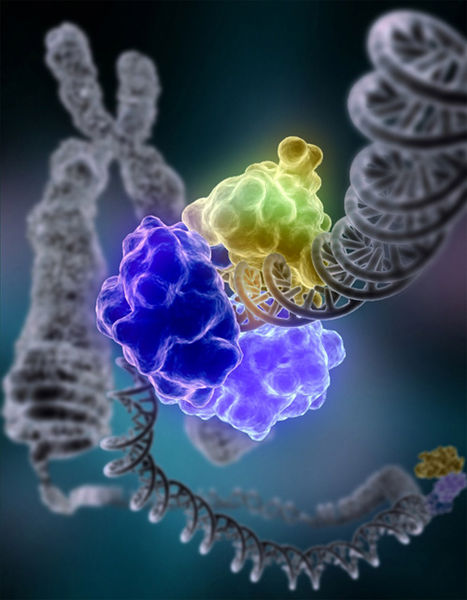
DNA repair
DNA repair

Today I share some interesting cancer research – not anecdotes – but solid science that is leading the way with realistic hope for cancer patients. Some treatments are already in Clinical practice. I also shed some good news on Chemotherapy and news ways of delivering it to cancer.  Click here to listen now

Now to some snapshots and resources from the show:
Researchers and clinicians have focused on ways to minimize side effects without compromising ‘kill capacity’ of drugs. Another focus has been to find different ways to deliver chemotherapy making it effective and less toxic.

 German interventional radiologist Professor Thomas Vogl, has published more than 100 papers. Author & co author of many medical textbooks, he uses a wide variety of innovative cancer treatments including TACE & TACP. Via the femoral artery, he finds his way through networks of blood vessels with fine catheters to delivers a payload of chemotherapy directly into tumours or body cavities where difficult to treat tumours exist. The side effects are minimal to none. Having personally watched dozens of procedures; the Professor is a master of his craft. He is one of the few, successfully treating Mesothelioma (asbestosis), significantly extending lives. http://www.germancancertreatments.com/drs-treatments/

A Recent Australian discovery in medicine EDV technology had a heart-warming beginning. Having made a solemn promise to a dying colleague, two scientists devoted their lives to finding a new way to treat cancer and in the past decade have made a lot of progress. The website is must see for all Australians in particular. The new technology is explained. I suggest you navigate the menus and in particular view the videos to get an understanding of this amazing and ingenious technology. www.engeneic.com

Dr Himanshu Brahmbhatt and Dr Jennifer MacDiarmid

The couple responsible for EDV technology Dr Himanshu Brahmbhatt and Dr Jennifer MacDiarmid were featured on ABC Australian story some time ago. Also a must watch for anyone interested in targeted cancer treatment:
http://www.abc.net.au/austory/specials/holygrail/default.htm

*From a funding viewpoint – this Group – EnGeneIC is worthwhile of your philanthropic input*.

Chemotherapy often gets bad press. Some tolerate it better than others. Have you ever wondered why some patients who have chemotherapy and never change their diet or lifestyle or taken supplements – get through cancer and have long remissions – sometimes for their entire life time? Having worked with cancer patients for 40 years, I have seen thousands of them!
A group of Italian researchers recently published a paper that may shed some light on why people respond differently to chemotherapy – is it dependent upon the robustness of their immune system? They are also suggesting that we should not throw the baby out with the bath water in terms of chemotherapy use. They say it is now becoming evident that standard chemotherapy agents can deeply have an impact on both tumour and host immune system.

Conventional anticancer chemotherapy has been historically thought to act through direct killing of tumour cells. This concept stems from the fact that cytotoxic drugs interfere with DNA synthesis and replication. However we now know that Chemotherapeutic agents stimulate both the innate and adaptive arms of the immune system. The ensemble of results discussed in their research paper contributes to pave the way towards mechanism-based, rather than empirical, rationales for combination of specific chemotherapeutic agents with selective immunotherapeutic interventions, opening novel horizons for more effective management of cancer patients.

Data obtained in both animal models and humans suggest that immunotherapy should immediately follow chemotherapy (1–2 days interval) to achieve the best synergism between the two treatments!
Immune-based mechanisms of cytotoxic chemotherapy: implications for the design of novel and rationale-based combined treatments against cancer is published in:
Cell Death and Differentiation (2014) 21, 15–25; doi:10.1038/cdd.2013.67; published online 21 June 2013    http://www.nature.com/cdd/journal/v21/n1/abs/cdd201367a.html

This blog will be continued later today with part 3 & 4 with more information about new treatments for ovarian cancer,  dendritic cell vaccination and brain tumours plus…. some Prevention and risk reduction suggestions from a new book published by an oncology physician…… Informed weekend reading for all who are interested in How to Navigate the Cancer Maze. Until then…

Enjoy the weekend!
Grace

error: Content is protected !!